
What Is The R Value Of Bee Cozy? Understanding the R Value and Its Impact on Hive Insulation
Imagine keeping your bees warm and cozy throughout the year with a simple and efficient solution. That’s where the Bee Cozy comes in. But have you ever wondered what exactly What Is The R Value Of Bee Cozy?… and how it affects the insulation properties? In this article, we will explore the R value of the Bee Cozy and how it can help maintain the optimal temperature for your buzzing friends. Whether you’re a seasoned beekeeper or just starting out, understanding the R value of the Bee Cozy is essential for creating a conducive environment for your hive. So, let’s dive in and discover the significance of this beekeeping accessory.
Understanding R Value
Defining R Value
R value is a measure of thermal resistance used to determine the effectiveness of insulation materials in preventing heat transfer. It represents the ability of an insulation material to resist the flow of heat and maintain a stable temperature. The higher the R value, the more effective the insulation is in preventing heat loss or gain.
Importance of R Value in Insulation
The R value plays a crucial role in determining the energy efficiency and performance of insulation materials. It directly impacts the ability of a material to regulate temperature and reduce energy consumption. In buildings, a high R value ensures better insulation, leading to reduced energy usage and lower utility bills. In the context of beekeeping, the R value of bee cozy is essential for maintaining ideal hive temperatures and protecting bee colonies from extreme weather conditions.
Measuring R Value
The R value of insulation materials is determined through standardized testing procedures. These tests measure the resistance of a material to heat flow under specific conditions. The R value is then calculated based on the thickness and thermal conductivity of the material. The higher the R value, the better the insulation performance of the material.
The Concept of Bee Cozy
Understanding Bee Cozy
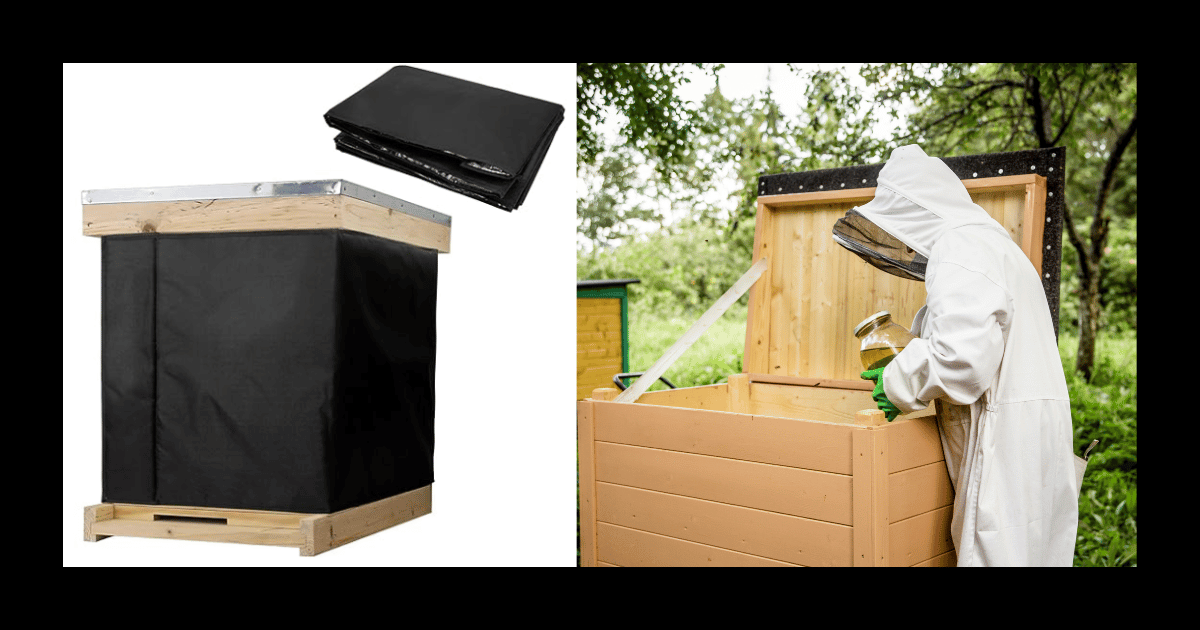
Bee Cozy is a specialized insulating material designed specifically for beekeeping. It is a cover that fits over the beehive and provides an additional layer of insulation to protect bee colonies from temperature fluctuations. Bee Cozy is made from a combination of materials that optimize its thermal resistance properties, ensuring optimal temperature regulation within the hive.
Usage of Bee Cozy in Beekeeping
Bee Cozy is widely used by beekeepers to protect their bee colonies during the colder months when temperatures drop. It acts as a barrier against cold air, wind, and moisture, preventing the hive from losing heat and maintaining a stable temperature for the bees. Bee Cozy is simple to install and can be easily removed for hive inspections or maintenance.
Benefits of Using Bee Cozy
Using Bee Cozy in beekeeping confers several advantages. Firstly, it helps regulate the temperature inside the hive, preventing cold stress on the bees and allowing them to conserve energy. This is especially crucial during the winter months when foraging opportunities are limited. Secondly, Bee Cozy acts as a protective layer, reducing the risk of moisture buildup and mold formation. Lastly, Bee Cozy can enhance the overall survival rate of bee colonies by providing a cozy and insulated environment in which they can thrive.

Material Composition of Bee Cozy
Structure of Bee Cozy
Bee Cozy is typically designed as a cover that wraps around the beehive, providing insulation on all sides. It is made up of multiple layers that work together to optimize thermal resistance. The outer layer is typically made of a durable and weather-resistant material that protects the insulation layer from external elements. The insulation layer itself is composed of materials with high R values, ensuring effective heat retention within the hive.
Materials Used in Bee Cozy
The materials used in Bee Cozy are carefully selected to achieve the desired thermal resistance properties. Common materials include foam insulation, reflective insulation, and moisture-resistant fabrics. Foam insulation, such as expanded polystyrene, provides excellent thermal resistance and helps maintain a stable temperature inside the hive. Reflective insulation, typically made of aluminum foil, is used to reflect radiant heat and further enhance the insulation properties. Moisture-resistant fabrics are used to prevent moisture buildup and ensure the durability of Bee Cozy.
Determining the R Value of Bee Cozy
The Testing Process
The R value of Bee Cozy is determined through rigorous testing procedures conducted in specialized laboratories. The insulation material is tested under controlled conditions to measure its thermal resistance and performance. The testing process involves measuring the heat flow through the material over a defined period of time and calculating the R value based on the results obtained.
Interpreting Results
Once the testing process is completed, the R value of Bee Cozy is determined and provided to beekeepers and insulation enthusiasts. The higher the R value, the better the insulation performance of Bee Cozy. It is important to note that the R value is influenced by various factors, including the thickness of the material and the specific combination of insulation materials used. Beekeepers should consider the R value in conjunction with their specific climate and hive conditions to determine the most suitable insulation solution.
Comparison of Bee Cozy’s R Value with Other Insulation Materials
Comparison Parameters
To assess the effectiveness of Bee Cozy as an insulation material for beekeeping, a comparison with other common insulation materials is necessary. The comparison can be based on several parameters, including thermal conductivity, cost-effectiveness, ease of installation, and durability. These parameters provide insights into the overall performance and value of Bee Cozy in relation to other insulation options.
Notable Results and Findings
In comparative studies, Bee Cozy has demonstrated competitive R values when compared to other insulation materials commonly used in beekeeping. Foam insulation materials, such as expanded polystyrene, often used in hive construction, have comparable R values to Bee Cozy. However, Bee Cozy surpasses other natural insulation materials, such as straw or wood shavings, in terms of thermal resistance. Additionally, Bee Cozy offers the advantage of easy installation and removal, making it a convenient choice for beekeepers.
Implications of the Comparison Results to Beekeeping
The comparison results highlight the effectiveness of Bee Cozy as an insulation solution for beekeepers. By using Bee Cozy, beekeepers can achieve optimal temperature regulation within the hive and create a cozy environment for their bee colonies. The competitive R value and convenience of Bee Cozy make it an attractive option for beekeepers looking to enhance the insulation capabilities of their hives.
Effect of Bee Cozy’s R Value on Bee Colonies
Impact on Temperature Regulation
The R value of Bee Cozy plays a crucial role in regulating the temperature inside the hive. By providing an additional layer of insulation, Bee Cozy helps maintain a stable temperature, shielding the bees from extreme fluctuations that can be detrimental to their health and productivity. Consistent and appropriate temperatures contribute to the overall well-being and vitality of bee colonies.
Effect on Bee Colony’s Survival during Extreme Weather
During periods of extreme weather, such as cold winters or hot summers, the R value of Bee Cozy becomes paramount. It ensures that the bees are protected from excessive heat or cold, allowing them to conserve energy and focus on their essential tasks within the hive. The insulation properties of Bee Cozy can significantly increase the chances of survival for bee colonies during harsh weather conditions.
Influence on Honey Production
The R value of Bee Cozy indirectly affects honey production by promoting optimal hive conditions. When bee colonies are exposed to extreme temperatures, they divert their energy towards thermoregulation instead of honey production. By providing insulation and maintaining a comfortable temperature, Bee Cozy allows bees to allocate their energy towards foraging and honey production activities. This can lead to increased honey yields and overall productivity of the hive.

Influence of Bee Cozy’s R Value on Energy Savings
Role in Energy Conservation
Bee Cozy’s high R value directly contributes to energy conservation within the hive. By minimizing heat loss or gain, Bee Cozy ensures that less energy is required for temperature regulation. This results in reduced energy consumption by the bees, allowing them to allocate more energy towards other vital activities. Ultimately, Bee Cozy helps bee colonies conserve energy and operate more efficiently.
Financial Implications
The energy savings associated with Bee Cozy can have notable financial implications for beekeepers. Reduced energy consumption translates to lower expenses in terms of honey production and hive maintenance. Beekeepers can also benefit from potential cost savings in terms of heating or cooling systems if Bee Cozy effectively maintains optimal hive temperatures without the need for additional heating or cooling equipment.
Optimizing the Usage of Bee Cozy Based on its R Value
Tips for Installation
To optimize the usage of Bee Cozy, proper installation is crucial. Beekeepers should ensure that Bee Cozy is securely and tightly fitted over the hive to minimize air infiltration. Any gaps or loose areas should be sealed to maintain maximum thermal resistance. It is also important to regularly check and maintain Bee Cozy’s condition to ensure its effectiveness over time.
Preferences Based on Geographic Location
Beekeepers in different geographic locations may need to adjust their usage of Bee Cozy based on the local climate. Regions with harsh winters may require thicker or more insulative Bee Cozy materials to ensure adequate protection against cold temperatures. Conversely, in warmer climates, Bee Cozy with lower R values may be sufficient to prevent excessive heat accumulation within the hive.
Maintenance for Optimal Insulation
Regular maintenance is essential to optimize the insulation properties of Bee Cozy. Beekeepers should periodically inspect Bee Cozy for any signs of damage, such as tears or degradation. It is important to replace worn-out or ineffective Bee Cozy to maintain its thermal resistance and ensure optimum insulation for the bee colonies.
Future Innovations in Bee Cozy R Values
Development of Higher R Value Bee Cozies
With advancements in insulation technology, the development of higher R value Bee Cozies is anticipated. Research and development efforts are focused on creating materials with improved thermal resistance properties that can provide even better insulation for bee colonies. These innovations aim to enhance the overall performance and effectiveness of Bee Cozy in maintaining ideal hive conditions.
Integrated Technologies for Enhanced R Values
The future of Bee Cozy may involve the integration of advanced technologies to further enhance its R value. These technologies could include the use of phase change materials or sensors that automatically adjust the insulation properties based on the surrounding temperatures. By combining insulation materials with smart technologies, Bee Cozy can provide even greater temperature regulation capabilities for beekeepers.
Conclusion on the R Value of Bee Cozy
Key Takeaways
The R value of Bee Cozy is a crucial factor in its effectiveness as an insulation solution for beekeepers. A higher R value indicates better insulation and thermal resistance properties, leading to enhanced temperature regulation and energy savings within the hive. Bee Cozy offers several advantages, including protection against extreme weather, increased survival rates for bee colonies, and improved honey production.
Implications for Beekeepers
Understanding the R value of Bee Cozy empowers beekeepers to make informed decisions about insulation solutions for their hives. By considering the R value alongside other factors such as cost, ease of installation, and maintenance requirements, beekeepers can optimize the thermal performance of their hives and create favorable conditions for their bee colonies. Ultimately, Bee Cozy with a high R value can contribute to the overall success and sustainability of beekeeping practices.