
Essential Beginner Beekeeping Kit: Launch Your Exciting Bee Adventure!
Are you fascinated by the world of bees and dreaming of becoming a beekeeper? Look no further than the Beginner Beekeeping Kit. This comprehensive kit is specifically designed for beginners, providing all the essential tools and equipment needed to start your own beekeeping adventure. From a protective beekeeper suit to a hive tool and smoker, this kit has got you covered. Whether you’re a curious hobbyist or an aspiring professional, the Beginner Beekeeping Kit is the perfect way to begin your beekeeping journey with confidence and excitement.

Understanding the Importance of Beekeeping Kits
Beekeeping plays a vital role in our ecosystem, contributing to the pollination of plants and the production of honey and beeswax. By keeping bees in our own backyard, we can actively participate in conserving and promoting the health of our natural environment. Beekeeping kits are essential tools that enable enthusiasts to engage in this fulfilling hobby and enjoy the numerous benefits it brings.
Role of Beekeeping in the Ecosystem
Bees are remarkable creatures that play a crucial role in the pollination of flowering plants. About one-third of the food we consume relies on pollination, and bees are the primary pollinators responsible for this process. Without bees, our crop yields would significantly decrease, leading to food shortages and higher prices. Additionally, bees help in the reproduction of various plant species, preserving biodiversity in our ecosystem.
Benefits of DIY Honey and Wax Production
One of the most enticing reasons to venture into beekeeping is the opportunity to harvest your own honey and beeswax. Not only is this a rewarding and satisfying experience, but it also allows you to have complete control over the quality and purity of the honey and wax you consume. DIY honey production ensures that you are consuming a natural, unprocessed product straight from the hive, free from any additives or artificial sweeteners. Moreover, beeswax can be used for various purposes, such as making candles, skincare products, and even as a natural food preservative.
Essential Components of a Beekeeping Kit
To embark on your beekeeping journey, it is crucial to have the necessary components that make up a beekeeping kit. Here are some of the essential items that should be included:
Beehive and Components
The beehive is the central structure where the bees will live and produce honey. Different types of beehives are available, such as Langstroth, top-bar, and Warré hives. Each has its own advantages and considerations, and the choice depends on your personal preferences and requirements. In addition to the hive itself, components such as frames, foundation, and inner covers are essential to provide a comfortable and functional living space for the bees.
Bee Suits and Other Protective Gear
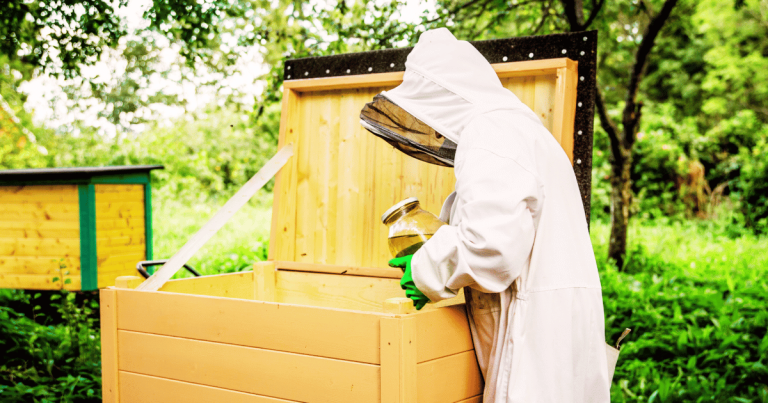
Beekeeping can be a rewarding experience, but it is vital to prioritize your safety when working with bees. Bee suits, including a jacket, veil, gloves, and pants, form the primary protective gear. These items shield your body from potential bee stings, allowing you to work confidently and comfortably around your beehive. Other gear, such as a hat and sturdy boots, provide further protection and ensure a pleasant beekeeping experience.
Beekeeping Tools
A variety of tools are necessary for effectively managing your beehive. Hive tools, such as a hive tool scraper and frame grip, assist in inspecting the hive and separating frames. A bee brush is useful for gently moving bees away and ensuring clear vision during inspections. Additionally, a smoker, accompanied by appropriate fuels, aids in calming the bees and making hive manipulations more manageable. Finally, extracting equipment, such as a honey extractor and capping knife, is necessary for harvesting honey and processing other bee products.
Choosing the Right Beehive
When selecting a beehive, it is essential to consider various factors to ensure the health and productivity of your bees. Here are some key considerations:
Different Types of Beehives
As mentioned earlier, there are several types of beehives available. The Langstroth hive is the most commonly used, featuring stackable boxes that allow easy inspection of the frames. Top-bar hives offer a more natural habitat for bees, emphasizing a horizontal layout rather than vertical. Warré hives utilize a vertical design and promote minimal intervention beekeeping. Each hive type has its own advantages and considerations, so it is important to research and choose the one that suits your preferences.
Factors to Consider When Selecting a Beehive
Several factors should be taken into account when choosing a beehive. Consider the climate of your region, as different hive types may be more suitable for specific climates. Additionally, assess the space available in your backyard, ensuring that your chosen hive will fit comfortably in the designated area. Furthermore, consider the maintenance requirements and accessibility of the hive for inspections and honey harvesting.
Where to Purchase Beehives
There are various sources from which you can purchase beehives. Local beekeeping supply stores or apiaries often have a selection of hives and components available. Online retailers specializing in beekeeping equipment can provide a wide range of options, with the added convenience of doorstep delivery. Additionally, connecting with local beekeeping associations or experienced beekeepers can lead to recommendations and potential opportunities to purchase hives.
Importance of Protective Gear in Beekeeping
Protective gear is an indispensable aspect of beekeeping, ensuring your safety and comfort while working with bees. Here are some important considerations regarding protective gear:
Components of Protective Wear
The primary components of protective wear include a beekeeping jacket or suit, a veil, gloves, and pants. The jacket or suit provides coverage for your upper body, often with additional features like elastic cuffs and reinforced seams. The veil protects your face and neck, allowing you to maintain clear vision and protection from bee stings. Gloves provide hand protection, and pants ensure overall coverage and comfort during inspections.
Selecting the Right Size and Material
When choosing protective gear, it is crucial to select the right size and material for optimal comfort and protection. Ensure that the jacket or suit fits properly, allowing ease of movement and ample room for layering if needed. The material should be durable and resistant to bee stings, such as cotton or polyester blends. Veils should be securely attached and provide a clear line of sight, while gloves should offer dexterity and protection without compromising your ability to handle hive equipment.
Safety Guidelines for Use
While protective gear provides necessary protection, it is important to adhere to safety guidelines when working with bees. Always zip up your beekeeping suit completely and ensure that all protective gear is secure. Avoid making sudden movements or swatting at bees, as they may become agitated and more likely to sting. Additionally, regular inspection and maintenance of protective gear is crucial to ensure its effectiveness and detect any signs of wear or damage.

Essential Beekeeping Tools
Having the right tools is key to effective beekeeping. Here are some essential tools that every beekeeper should have:
Hive Tools
Hive tools, typically featuring a scraper and frame grip, are essential for manipulating the hive during inspections. The scraper aids in scraping off propolis, a sticky resinous material, and wax from hive components. The frame grip allows for easy removal and handling of frames. These tools are invaluable in maintaining the cleanliness and functionality of the hive.
Bee Brush
A bee brush is a gentle tool used to move bees away from frames and surfaces without causing harm. With soft bristles, it allows for the careful examination of frames and ensures that bees are not inadvertently injured during inspections. Proper use of the bee brush helps to maintain calm and minimize disruptions within the hive.
Smoker and Fuels
A smoker is indispensable for effective hive management, providing a means to calm the bees and make them less defensive during inspections. By puffing smoke into the hive entrance, the bees’ natural response is to gorge on honey, making them less prone to aggression. Various fuels can be used in the smoker, such as pine needles, dried herbs, or commercial smoker fuel, each with its own unique characteristics and efficacy.
Extracting Equipment
When it comes time to harvest honey, extracting equipment is necessary to separate the honey from the comb. A honey extractor allows for the spinning of frames, causing the honey to be forced out while leaving the comb intact. A capping knife is used to remove the wax cappings sealing the honey cells. With these tools, you can effectively harvest honey while preserving the integrity and structure of the comb.
Installing Your Beehive
Once you have assembled your beekeeping kit, the exciting process of installing your beehive can begin. Here’s a step-by-step guide to help you get started:
Ideal Locations for Beehives
Choosing an ideal location for your beehive is crucial for the well-being of your bees and the productivity of the colony. Select a spot that receives abundant sunlight and has some shelter from high winds. Avoid placing the hive in low-lying areas prone to flooding or areas directly exposed to extreme heat. Furthermore, consider nearby water sources, as bees require water for hydrating and regulating the hive’s temperature.
Assembling Your Beehive
Follow the manufacturer’s instructions and carefully assemble your beehive components. Ensure that the frames fit securely within the hive body and that the bees will have ample space to build comb and store honey. Place the inner cover and outer cover on top of the hive, ensuring proper alignment and ventilation. Lastly, secure the hive with straps or weigh it down to prevent strong winds from toppling it over.
Installing Bees into the Hive
Before installing bees into the hive, ensure that all protective gear is worn, including gloves, a beekeeping suit or jacket, and a veil. With caution, gently introduce the bees into the hive, which can be accomplished through various methods, such as shaking them from a package or transferring them from a nucleus colony. Follow the instructions provided by the supplier or consult experienced beekeepers for guidance to ensure a successful installation.

Maintaining Your Beehive
Regular maintenance is crucial for the health and productivity of your beehive. Here are some important practices to consider:
Routine Inspection Practices
Inspecting your beehive regularly allows you to monitor the health of your bees and detect any issues or signs of disease. Conduct inspections every one to two weeks during the active beekeeping season, carefully examining each frame for signs of brood, honey stores, and the overall condition of the colony. Look for any abnormalities, such as pests or diseases, and take appropriate action if necessary.
Cleaning and Repairing the Hive
Maintaining a clean hive is essential for preventing disease and maintaining overall hive health. Regularly clean and sterilize hive components, such as frames and bottom boards, to minimize the accumulation of debris and reduce the risk of pests. Additionally, repair any damaged or deteriorating hive components promptly to ensure the structural integrity and functionality of the hive.
Wintering Your Hive
Preparing your hive for winter is essential to help the bees survive the colder months. Ensure that the hive has sufficient honey stores to sustain the bees throughout winter, usually around 50-70 pounds for a healthy colony. Consider insulating the hive or providing a windbreak to protect it from cold drafts. Furthermore, mount the hive on hive stands to prevent snow or excess moisture from accumulating at the hive’s entrance.
Handling and Care for Bees
Proper handling and care for your bees are crucial to maintaining their health and productivity. Here are some important practices to consider:
Feeding Practices for Bees
While bees primarily gather nectar and pollen from flowers, supplemental feeding may be necessary during periods of nectar dearth or if the colony is low on honey stores. Sugar syrup, pollen patties, or fondant can be provided as additional food sources. It is essential to use commercial or homemade feeders that prevent bees from drowning and to provide food when it won’t be diluted by rainfall.
Detection and Managing Health Issues in Bees
Vigilant monitoring and early detection are essential for managing health issues in your bees. Regular inspections can help identify signs of diseases or pests, such as varroa mites or hive beetles. If detected, promptly consult experienced beekeepers or local beekeeping associations for guidance on appropriate treatment options. It is crucial to take proactive measures to maintain the overall health and well-being of the colony.
Boosting Bee Productivity
To maximize the productivity of your bees, it is important to create an environment that promotes their well-being and encourages optimal honey production. Ensure that your bees have access to a diverse range of flowering plants throughout the year, providing them with ample forage and nectar sources. Avoid the use of pesticides or chemicals that could be harmful to bees or their forage. Additionally, manage hive space efficiently by providing enough room for honey storage while minimizing the risk of swarming.

Harvesting Honey and Other Bee Products
The ultimate reward of beekeeping is harvesting honey and other valuable bee products. Here are some important considerations:
Correct Timing for Honey Harvest
Knowing the right time to harvest honey is crucial for its quality and flavor. Bees work diligently to cap honey cells when the moisture content reaches an optimal level. Harvesting too early can result in excess moisture and fermentation, while harvesting too late may result in thickened or crystallized honey. Regularly inspect the hive and use a refractometer or hydrometer to determine the moisture content of the honey before extracting.
Honey Extraction Processes
To extract honey from the comb, use a honey extractor, which utilizes centrifugal force to separate honey from the cells. Uncap the honey cells using a capping knife, ensuring all cells are adequately opened. Load the frames into the extractor and rotate it manually or electronically to extract the honey. After extraction, strain the honey to remove any wax or impurities before storing it in jars.
Handling of Wax and Other By-products
In addition to honey, beekeeping can yield other valuable bee products, such as beeswax, propolis, and royal jelly. When collecting beeswax, scrape and clean the wax cappings from the honey frames and melt them down for further use. Propolis, a resinous substance, can be gently scraped from the hive and utilized for various purposes, such as making salves or tinctures. Royal jelly, a nutrient-rich substance, can be harvested carefully from queen cells for specialized applications.
Improving Beekeeping Practices
Even seasoned beekeepers can continuously learn and improve their practices. Here are some ways to stay updated and enhance your beekeeping skills:
Attending Beekeeping Workshops and Webinars
Participating in beekeeping workshops, seminars, and webinars can be an excellent way to gain knowledge and practical insights from experts in the field. These events provide opportunities to learn about the latest research, techniques, and best practices in beekeeping. Additionally, attending these events allows you to connect with fellow beekeepers and network within the beekeeping community.
Networking with Other Beekeepers
Joining local beekeeping associations or online forums provides opportunities to connect with other beekeepers and exchange experiences and knowledge. Engaging in conversations with experienced beekeepers can offer valuable insights and guidance. Share your challenges and successes, seek advice, and contribute to the collective knowledge of the beekeeping community.
Keeping Up with Latest Beekeeping Research
The field of beekeeping is constantly evolving with new research and innovations. Stay updated with the latest developments by reading scientific papers, publications, and beekeeping journals. Research findings can shed light on emerging practices, challenges facing bees, and ways to enhance their health, productivity, and sustainability. By staying informed, you can continuously improve your beekeeping practices and contribute to the well-being of your bees.
In conclusion, beekeeping kits equip enthusiasts with essential tools for a rewarding hobby that benefits the ecosystem. Proper understanding, gear, and hive practices ensure bee health and productivity. Harvesting natural bee products supports local ecosystems. By advancing beekeeping practices and staying educated, beekeepers aid in preserving bees and their vital environmental role. Dive into beekeeping and relish the joys it brings!