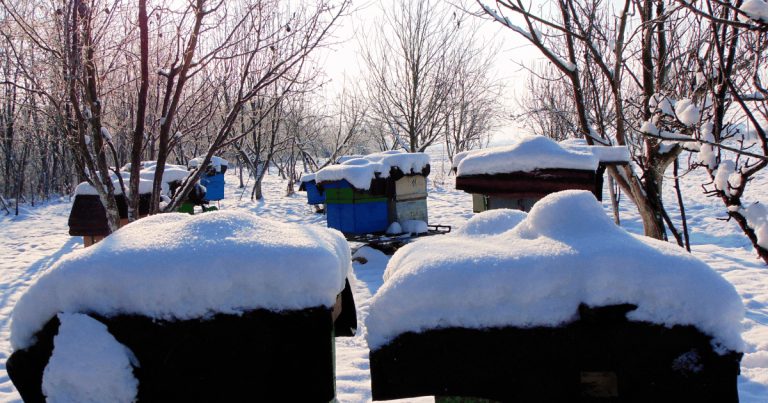

Should I Wrap My Bee Hive For Winter? Navigating the Decision of Winterizing Bee Hives
As the winter season approaches, beekeepers like you might find themselves asking the question, “Should I wrap my bee hive for winter?” It’s a query that plagues many beekeepers every year, and this article aims to shed light on this common dilemma. With the temperature dropping and the harsh weather conditions looming, it’s understandable to be concerned about the well-being of your precious bee colony. In this article, we will explore the benefits and considerations of wrapping your bee hive for winter, allowing you to make an informed decision and ensure the survival and health of your buzzing companions.
Understanding the Importance of Winterizing Beehives
Bee survival rate during winter
During the winter months, honeybees face various challenges that can significantly impact their survival rate. Cold temperatures, harsh weather conditions, and limited food availability can all contribute to a higher mortality rate among hives. However, with proper winterization techniques, beekeepers can help increase the chances of their bees surviving through the winter.
Advantages of winterizing beehives
Winterizing beehives offers several advantages, not only for the bees but also for the beekeepers. By insulating and protecting the hive, beekeepers can help regulate the internal temperature, reduce moisture buildup, and safeguard the colony from external elements. This proactive approach to winter preparation can improve the overall health and productivity of the hive, leading to stronger colonies in the spring.
Bees’ unique winter behaviors
Bees exhibit unique behaviors during the winter months to ensure their survival. They form a cluster around the queen, generating heat by vibrating their flight muscles. This cluster allows the bees to maintain a constant temperature inside the hive, protecting the brood and conserving energy. Understanding these natural behaviors is crucial for beekeepers to effectively winterize their hives and support the bees’ survival.
Different Beehive Winterization Techniques
Insulation
Insulating beehives is an essential winterization technique that helps regulate the internal temperature. It involves adding layers of insulating materials such as foam boards or sawdust between the hive walls and the outer cover. Insulation retains the heat generated by the bees, preventing it from escaping and maintaining a stable temperature inside the hive.
Wrapping
Wrapping beehives with a protective material is another effective winterization technique. The wrap acts as an additional layer of insulation, shielding the hive from cold winds and reducing heat loss. Wraps can be made of materials such as burlap, tar paper, or commercial hive wraps specifically designed for this purpose.
Indoor winterization
For beekeepers who have the means, indoor winterization can be a viable option. This technique involves moving the hive to an indoor location, such as a garage or a shed, where the bees can be protected from the harsh outdoor conditions. Indoor winterization provides the highest level of protection but requires adequate space, proper ventilation, and careful monitoring of temperature and humidity levels.
Using windbreaks
Creating windbreaks around the beehive is a simple yet effective way to minimize the impact of cold winds. Windbreaks can be constructed using materials like straw bales, wooden pallets, or even dense vegetation. By blocking the wind, beekeepers can help maintain a more stable microclimate around the hive, reducing heat loss and protecting the bees from excessive cold.

The Practice of Wrapping Beehives
Historical use of wrapping
Wrapping beehives has been a common practice among beekeepers for centuries. Historical records and anecdotal evidence suggest that wrapping hives with natural materials like straw or reeds was prevalent in colder regions, where beekeepers aimed to protect their colonies from freezing temperatures. This time-tested method has evolved over time, with modern beekeepers utilizing a variety of materials and techniques for wrapping beehives.
Different types of wraps
Today, beekeepers have a wide range of wrapping materials to choose from. Traditional options like burlap or tar paper are still widely used. Additionally, specialized hive wraps made of reflective materials or insulating fabrics are available on the market. These wraps offer enhanced insulation properties and durability. The choice of wrap depends on factors such as the local climate, budget, and availability of materials.
Techniques of wrapping
While the basic concept of wrapping remains the same, there are various techniques to consider. One common approach is called the “mummy wrap” method, where the hive is tightly wrapped in several layers of material, ensuring maximum insulation. Another technique involves creating an air gap between the hive and the wrap, providing ventilation while still offering protection. Beekeepers should choose the technique that best suits their specific needs and takes into account factors like hive ventilation, localized climate, and bee behavior.
Pros and Cons of Wrapping Beehives
Protection against harsh weather
wrapping your beehives provides a protective shield against extreme weather conditions. The wrap acts as a barrier, preventing wind, rain, and snow from penetrating the hive and compromising the bees’ wellbeing. By keeping the elements at bay, wrapping helps maintain a more stable and comfortable environment for the colony throughout the winter.
Retention of desirable hive temperature
Wrapping beehives helps retain the heat generated by the bees, ensuring that the internal temperature remains within an optimal range. This is particularly crucial for colonies with limited stores of honey. By reducing heat loss, wrapping assists the bees in conserving energy and prolonging their food supplies, which can ultimately increase their chances of survival during the winter months.
Risk of moisture trap
While wrapping beehives can offer insulation benefits, it can also create a potential moisture trap. If moisture accumulates within the hive, it can lead to issues such as mold growth, condensation, and bee diseases. Beekeepers must carefully monitor the hive for any signs of excessive moisture and take appropriate measures to maintain proper ventilation within the hive while still providing insulation.
Limitation of bee foraging
Wrapping beehives restricts the bees’ ability to forage for food during the winter. The wrap acts as a barrier, preventing the bees from venturing outside the hive to gather pollen and nectar. Depending on the availability of food sources near the hive, this limitation may or may not pose a significant challenge. Beekeepers should consider the local foraging conditions and ensure that sufficient food is available within the hive to sustain the colony throughout the winter.

Choosing the Right Material for Wrapping
Types of wrap material
When selecting a material for wrapping beehives, several options are available. Traditional materials like burlap or tar paper offer affordable and easily accessible choices. They provide decent insulation and protection against the elements. Alternatively, there are specialized hive wraps made of reflective materials or insulating fabrics that offer enhanced thermal regulation and durability. Consider factors like cost, availability, and the specific needs of your beekeeping operation when choosing the right wrap material.
Pricing
The cost of wrap materials can vary significantly, depending on the type and quality of the material. Traditional options like burlap or tar paper tend to be more affordable compared to specialized hive wraps made from advanced materials. Beekeepers should weigh the cost against the potential benefits and choose a material that fits within their budget while still providing adequate protection for the bees.
Availability
The availability of wrap materials may vary depending on locality. Traditional materials like burlap or tar paper are generally more readily available in most areas. However, specialized hive wraps may need to be purchased from beekeeping suppliers or online retailers. Consider the accessibility of different wrap materials in your region and plan accordingly.
Duration and reusability
The durability and reusability of wrap materials are also important factors to consider. Traditional materials like burlap may wear out over time and need replacement after a few seasons. On the other hand, specialized hive wraps made of durable fabrics or reflective materials can last for several years. Beekeepers should assess the longevity of different wrap materials and choose one that offers the desired lifespan.
The Process of Wrapping Beehives
Steps in wrapping
Wrapping beehives involves a series of steps to ensure effective insulation. First, gather the chosen wrap material and cut it into appropriate sizes to cover the hive adequately. Begin wrapping from the bottom, making sure to leave enough ventilation space at the entrance. Secure the wrap tightly but not excessively, ensuring that the bees can still move freely within the hive. Finally, trim any excess material and secure the wrap in place using clips, bungee cords, or straps.
Safety precautions
When wrapping beehives, it is important to take certain safety precautions. Bees may become agitated during the wrapping process, so wearing protective clothing, including a veil, gloves, and a bee suit, is essential. Beekeepers should also ensure that their movements are slow and deliberate to avoid crushing or harming the bees. It is advisable to perform the wrapping process on a calm day when the bees are less active to minimize disturbances.
When to wrap and unwrap the beehive
The timing of wrapping and unwrapping beehives depends on the local climate and the specific needs of the bees. Generally, hives are wrapped in late fall or early winter, once the temperatures consistently drop and the bees have formed a winter cluster. Unwrapping typically occurs in early spring when the weather starts to warm up and the bees become more active. Beekeepers should closely monitor the weather conditions and the behavior of their bees to determine the most appropriate timing for wrapping and unwrapping the hive.

Common Mistakes in Wrapping Beehives
Full enclosure of the hive
One common mistake when wrapping beehives is fully enclosing the hive without leaving sufficient ventilation or access for the bees. Bees require proper airflow to avoid moisture buildup and maintain a healthy environment. Wrapping should be done in a way that leaves enough space at the hive entrance and provides adequate ventilation throughout the winter.
Inadequate ventilation
Conversely, inadequate ventilation can also be a mistake when wrapping beehives. While it is crucial to maintain insulation, it is equally important to prevent excessive moisture buildup within the hive. Insufficient airflow can lead to condensation, mold growth, and other detrimental effects on the colony. Beekeepers must strike a balance between insulation and ventilation to create an ideal environment for the bees.
Late wrapping
Delaying the wrapping of hives can leave the bees vulnerable to sudden drops in temperature and inclement weather conditions. It is essential to monitor the weather forecast and the behavior of the bees to determine the right timing for wrapping. Leaving the wrapping process too late may compromise the bees’ ability to generate enough heat, leading to increased energy consumption and diminished chances of survival.
Using the wrong material
Choosing the wrong material for wrapping can also be a common mistake. Beekeepers should select a wrap material that provides adequate insulation while allowing ventilation and preventing moisture buildup. Rigid or non-breathable materials can trap moisture within the hive, posing risks to the colony’s health. Conduct research, consult experienced beekeepers, and consider the specific needs of your bees before deciding on the wrap material.
Alternatives to Wrapping Beehives
Indoor winterization
For beekeepers who have the means, indoor winterization offers an alternative to wrapping beehives. Moving the hive to an indoor location such as a garage or a shed can provide the highest level of protection against the elements. This method allows beekeepers to control the temperature and humidity more effectively, ensuring the bees’ comfort and survival. However, indoor winterization requires sufficient space, appropriate ventilation, and diligent monitoring of the hive conditions.
Using a windbreak
Creating windbreaks around the beehive is a simpler alternative to wrapping and provides some protection from cold winds. Beekeepers can construct windbreaks using straw bales, wooden pallets, or plants with dense foliage. While windbreaks alone may not offer the same level of insulation as wraps, they can significantly reduce heat loss and create a more favorable microclimate for the bees.
Insulating the hive
Another alternative to wrapping is directly insulating the hive itself. This involves adding insulating materials, such as foam boards or straw, between the hive walls and the outer cover. Insulating the hive helps regulate the temperature and minimize heat loss without the need for a separate wrap. Beekeepers should ensure that the insulation materials used are safe for the bees and do not interfere with proper ventilation.

Monitoring the Hive During Winter
Checking for signs of moisture
Monitoring the hive for signs of moisture buildup is crucial during the winter months. Excessive moisture can lead to mold growth, condensation, and increased risk of bee diseases. Regularly check the inner surfaces of the hive for any signs of moisture or mold. If necessary, adjust ventilation or take measures to remove excess moisture from the hive.
Observing flight patterns
Observing the bees’ flight patterns can provide valuable insights into their well-being during the winter. On warmer days, bees may venture out of the hive in search of cleansing flights or sources of food. Observe their activity and behavior to ensure that they are not facing any difficulties. A sudden absence of flight or unusually sluggish behavior may indicate potential issues that require immediate attention.
Providing the bees with food
Throughout the winter, bees rely on stored honey for their survival. Regularly monitor the hive’s food stores to ensure that the bees have an adequate supply. If necessary, provide supplementary feeding to prevent starvation. It is essential to strike a balance between providing enough food and minimizing disturbances to the hive during winter checks.
Expert Opinions on Wrapping Beehives
Testimonials from seasoned beekeepers
Seasoned beekeepers widely support the practice of wrapping beehives for winter. Many testify to the positive impact wrapping has on the survival and health of their colonies. Beekeepers with experience in colder climates particularly emphasize the insulation benefits and protection against harsh weather that wrapping provides. Their testimonials highlight the importance of proper winterization techniques in supporting the bees through the winter months.
Scientific studies on beehive wrapping
Scientific studies have also explored the effects of beehive wrapping on hive survival and productivity. These studies have consistently shown that wrapping beehives can help maintain more stable hive temperatures, reduce moisture buildup, and increase overall colony survival rates during winter. Researchers have observed improved overwintering success, better disease resistance, and increased honey production in wrapped hives.
Regional best practices
Best practices for beehive winterization may vary by region due to climate differences and localized beekeeping conditions. Local beekeeping associations and experienced beekeepers in specific regions can provide valuable insights and recommendations tailored to the local environment. Consulting with experts and considering regional practices can help beekeepers make informed decisions regarding the winterization of their beehives.
In conclusion, winterizing beehives is an essential practice for beekeepers looking to support the survival and well-being of their colonies during the harsh winter months. By understanding the importance of winterization, exploring different techniques like insulation, wrapping, indoor winterization, and windbreaks, beekeepers can select the most suitable approach for their specific needs. Whether choosing to wrap hives or explore alternative methods, beekeepers must weigh the pros and cons, choose the right materials, follow proper wrapping techniques, and monitor the hive closely to ensure the best chances of colony survival. With careful preparation and attention to the unique winter behaviors of bees, beekeepers can help their hives thrive and emerge stronger in the spring.