

How to Combine Beehives?: Effective Steps to Unite Colonies!
In this “Step-by-Step Guide on How To Combine Beehives”, we will give you an in-depth manual on hive unification and its benefits. The guide covers crucial steps, tips, and precautions for successfully merging bee colonies. We will answer frequently asked questions and weigh the pros and cons of combining hives. Suitable for both beginners and experts, this blog resource will empower you to elevate your beekeeping skills!
Understanding the Process of Beehive Combining
Beehive combining is a process that beekeepers use to merge two separate colonies into one unified hive. This practice is often necessary when one hive is weaker or struggling compared to the other, or when there is a need to control and prevent the spread of diseases. By combining beehives, beekeepers can strengthen the overall bee population, create healthier colonies, and promote a more efficient and productive beekeeping operation.
Knowing when it is necessary to combine
Combining beehives should not be done haphazardly or without a clear purpose. It is important to assess the situation and determine when hive unification is necessary. Some common scenarios that call for combining beehives include:
- One hive is significantly weaker than the other and struggling to thrive.
- One hive has lost its queen and is unable to produce a new one.
- Disease or pest infestation is affecting one hive, and there is a risk of spreading it to other hives.
- Beekeepers want to consolidate colonies to reduce maintenance and streamline their beekeeping operation.
The Science Behind Hive Unification
When beehives are combined, the bees go through a process known as social integration. Honey bees are highly social creatures that rely on a complex communication system to coordinate their activities within the hive. Combining beehives allows the bees from both colonies to merge and establish a new social order, ensuring the survival and productivity of the unified colony.
During the process of hive combining, the bees release pheromones that communicate their state of health, readiness to mate, and overall colony strength. These pheromones aid in the integration process by helping the bees recognize each other as members of the same colony and establish a hierarchy.
Considerations before starting the process
Before embarking on the process of combining beehives, there are several important considerations that beekeepers should keep in mind:
- Beekeeping goals: Consider your objectives for combining beehives. Are you looking to strengthen weak colonies, prevent disease, or streamline your beekeeping operation?
- Compatibility Consideration: It’s essential to note that not all beehives are suitable for merging. Ensure the hives house similar bee species, are in good health and exhibit harmonious temperaments before combining.
- Queen status: Determine whether there is a queen in both hives and the health of each queen. If one hive is queenless, it may be necessary to introduce a new queen or allow the bees to create a new one.
Benefits of Combining Beehives
Combining beehives can bring numerous benefits to both the bees and the beekeeper. Here are some of the key advantages:
Strengthening the bee population
By combining weaker colonies with stronger ones, beekeepers can help bolster the overall bee population. The strong colony can support and nurture the weaker one, allowing it to thrive and contribute to the overall productivity of the hive. Combining beehives is an effective way to prevent the loss of a struggling colony and ensure the survival of valuable bee genetics.
Disease control and prevention
One of the main reasons beekeepers opt to combine beehives is to control and prevent the spread of diseases. When one hive is infected, there is a risk that the disease will spread to neighboring hives. By combining the infected hive with a healthy one, beekeepers can effectively isolate the infected bees, preventing the disease from spreading further. This proactive approach helps maintain the health of the overall bee population.
Producing stronger, healthier colonies
Combining beehives allows for the creation of stronger and healthier colonies. By merging the resources, workforce, and genetic diversity of multiple colonies, the unified hive has a greater chance of thriving. The combined bees can share food stores, work together to defend the hive, and support each other in raising broods. This ultimately leads to the development of more robust and resilient colonies.

Preparation Step Before Combining
Before taking the plunge and combining beehives, it is crucial to properly prepare for the process. Here are several key steps to follow:
Choosing the right time and weather
Timing is important when combining beehives. The best time to combine hives is during a warm, sunny day when the temperature is above 50 degrees Fahrenheit (10 degrees Celsius). Choose a day when the bees are active and flying, as this makes the integration process smoother.
Checking the health and strength of both beehives
Before combining beehives, thoroughly inspect both colonies to ensure they are healthy and strong. Look for signs of disease, such as abnormal brood patterns, pests, or any other issues that may affect the overall health of the unified hive. Combining weak or diseased hives with healthy colonies may do more harm than good.
Gathering necessary tools and equipment
To successfully combine beehives, gather the necessary tools and equipment beforehand. These may include a beekeeping suit, smoker, hive tool, queen excluders, extra frames, and a bee brush. Having these items readily available will make the process smoother and more efficient.
Step-by-Step Guide to Combining Beehives
Combining beehives involves a series of steps that need to be followed carefully. Here is a comprehensive step-by-step guide to help you through the process:
Step 1: Choosing the strongest hive
Start by selecting the strongest hive to serve as the base or unified hive. Assess the health and strength of each colony and choose the one with the most bees, ample food stores, and a thriving queen. This hive will act as the foundation for the unified colony.
Step 2: Preparing the weaker hive
Prepare the weaker hive by removing any queen excluders and extra frames. The goal is to create an environment that allows for the seamless integration of bees from both colonies. This means removing any barriers that may impede the free movement of bees.
Step 3: Introducing the hives to each other
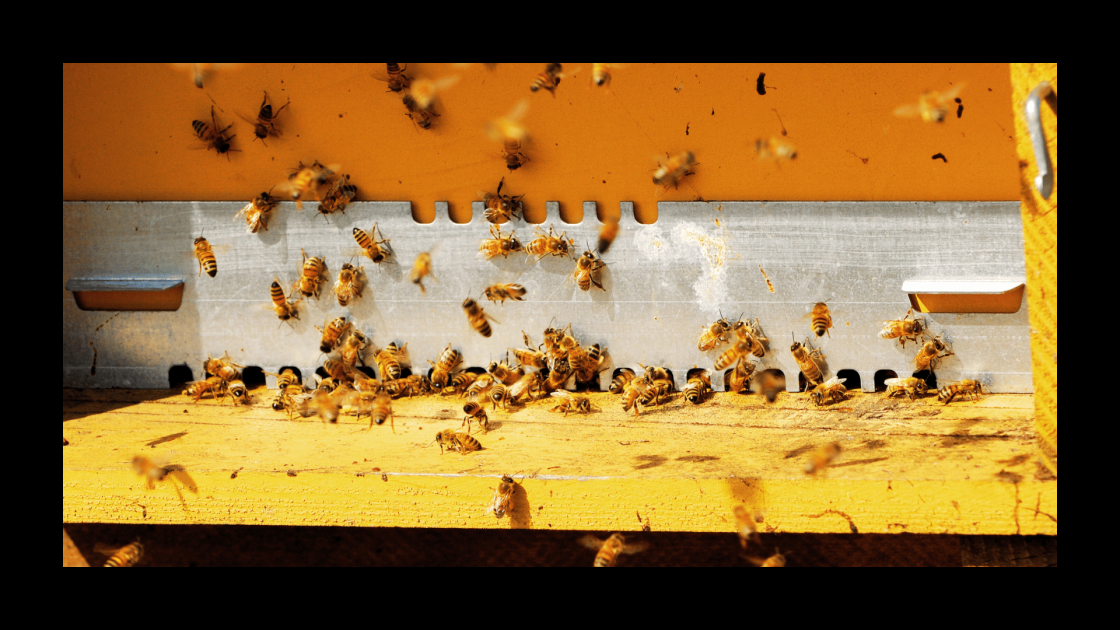
Once the weaker hive is ready, place it near the entrance of the stronger hive. The bees will gradually integrate and begin exploring each other’s scents. Monitor the process closely to ensure that the bees do not engage in combat.
After a few hours, check the hive to see if the bees have sorted themselves. If there are still signs of aggression, consider using a sheet of newspaper with slits to keep the hives physically separated while allowing the bees to gradually mix their scents and become accustomed to each other.
Step 4: Monitoring the unified hive
After combining the beehives, closely monitor the unified hive for several days. Observe the bees’ behavior, making sure they are accepting the new hierarchy and the presence of one queen. keep an eye out for any signs of pests or diseases and promptly address them if necessary.
Tips for Combining Beehives Successfully
While combining beehives can be a straightforward process, there are a few tips to ensure a successful outcome:
Ensuring queen acceptance
The success of hive unification largely depends on the acceptance of the queen. If introducing a new queen or allowing the bees to create one, monitor the acceptance process closely. Ensure that the queen is properly released and monitor the hive for signs of queenless behavior, such as excessive queen cell production or aggression towards the new queen.
Watching for signs of pest or disease after combining
Combining beehives can inadvertently introduce pests or diseases to the unified hive. Keep a close eye on the hive and watch for signs of infestations, such as mites or abnormal brood patterns. Implement appropriate pest management measures and consult with a local beekeeping expert if needed.
Feeding the unified hive
To support the bees during the integration process, consider providing supplemental feeding. Combining beehives can temporarily disrupt the bees’ access to food stores, so offering a sugar syrup solution can help them during this transition. The sugar syrup should have a ratio of 1:1, consisting of equal parts sugar and water.
Precautions To Take While Combining Hives
Combining beehives requires careful consideration to ensure a smooth and successful process. Here are some precautions to take:
Preventing hive combat
Combining beehives can sometimes trigger aggressive behavior among the bees. To prevent hive combat, monitor the process closely and separate the hives with a sheet of newspaper if necessary. This physical barrier allows the bees to gradually acclimate to each other’s scents and minimizes the likelihood of fighting.
Avoiding disease spread
Before combining beehives, ensure that both colonies are healthy and free from diseases. Combining a diseased hive with a healthy one puts the entire bee population at risk. If you suspect any signs of disease, consult with a local beekeeping expert and implement appropriate quarantine measures.
Dealing with multiple queens
When combining beehives, it is important to consider the presence of multiple queens. Multiple queens in a unified hive can lead to infighting or a lack of cohesion. Remove any excess queens before combining the hives to establish a single, unified hierarchy.
Handling Challenges That May Arise
While combining beehives can be a seamless process, challenges may arise. Here are a few common issues and potential solutions:
Addressing bee aggression
If the bees exhibit aggressive behavior towards each other, it is crucial to monitor the situation closely and take action if necessary. Consider separating the hives with a sheet of newspaper or introducing the hives gradually through the use of a double-screen board to allow the bees to become accustomed to each other’s scents without direct contact.
Solving problems with pests
If pests or mites are discovered in one of the hives, it is essential to address the issue before combining the beehives. Treat the infected hive using appropriate pest management methods and ensure that the hive is free from pests before the integration process begins.
Managing a failed hive unification
Sometimes, hive unification may not be successful, and the bees may not integrate properly. If this occurs, evaluate the situation and consider separating the hives again. It may be necessary to reevaluate the health and strength of each colony and seek advice from experienced beekeepers if needed.
The Pros and Cons of Combining Beehives
Combining beehives can bring numerous advantages, but it also has its disadvantages. Here is a quick overview of the pros and cons:
Understanding the advantages
- Strengthening colonies: Combining weaker colonies with stronger ones can help strengthen the overall bee population and promote the survival of struggling colonies.
- Disease control: Combining beehives is an effective way to isolate and control the spread of diseases within a beekeeping operation.
- Increased productivity: Unified beehives tend to be more efficient and productive, leading to higher honey yields and better overall beekeeping results.
Being aware of the potential risks and disadvantages
- Potential aggression: Combining beehives can trigger aggression among the bees, potentially leading to fighting and hive combat.
- Disease spread: If one hive has a contagious disease, combining it with a healthy hive can put the entire bee population at risk.
- Failed unification: Not all hive combinations are successful, and there is a chance that the bees may not integrate properly, resulting in a failed hive unification.

Frequently Asked Questions about Beehive Combination
Here are some commonly asked questions about combining beehives:
What happens to the queen in the weaker hive?
When combining beehives, the fate of the queen in the weaker hive depends on her health and performance. If the queen is healthy and productive, she can be integrated into the unified hive. However, if she is not performing well or is unhealthy, it is recommended to replace her with a stronger queen or allow the bees to create a new one.
Can I combine more than two hives?
Yes, it is possible to combine more than two hives. The process is similar to combining two hives, but additional steps may be required to ensure the successful integration of multiple colonies. It is important to closely monitor the bees’ behavior and adjust the process accordingly to ensure a smooth combination of the hives.
What if the bees refuse to combine?
In some cases, the bees may not willingly combine. If the bees continue to show aggression or resist integration, it may be necessary to separate the hives and reassess the situation. Consider seeking advice from experienced beekeepers or consulting beekeeping resources for alternative solutions.
How do I prepare the hives before combining them?
Before combining hives, it’s essential to ensure both colonies are free from diseases and pests. Additionally, prepare the hives by reducing entrances and, if necessary, using newspaper or scents to aid the integration process. The physical environment and time of year can also play a role in successful combinations, so ensure conditions are optimal for the process.
How can I prevent robbing behavior during the combination?
To prevent robbing, it’s important to combine hives during the late afternoon or evening when most foraging bees have returned. Additionally, reducing the hive entrance or using entrance reducers can limit robbing. Providing adequate food sources within the hive can also deter robbing behavior, as bees are less likely to seek external sources.
Should I recombine hives if the first attempt fails?
If the first combination attempt fails, it’s crucial to identify the reason. If it’s due to diseases, pests, or an incompatible queen, addressing these issues first is vital. Once resolved, you can attempt to recombine the hives. However, ensure you follow guidelines carefully and monitor the hives closely for any signs of issues.


