
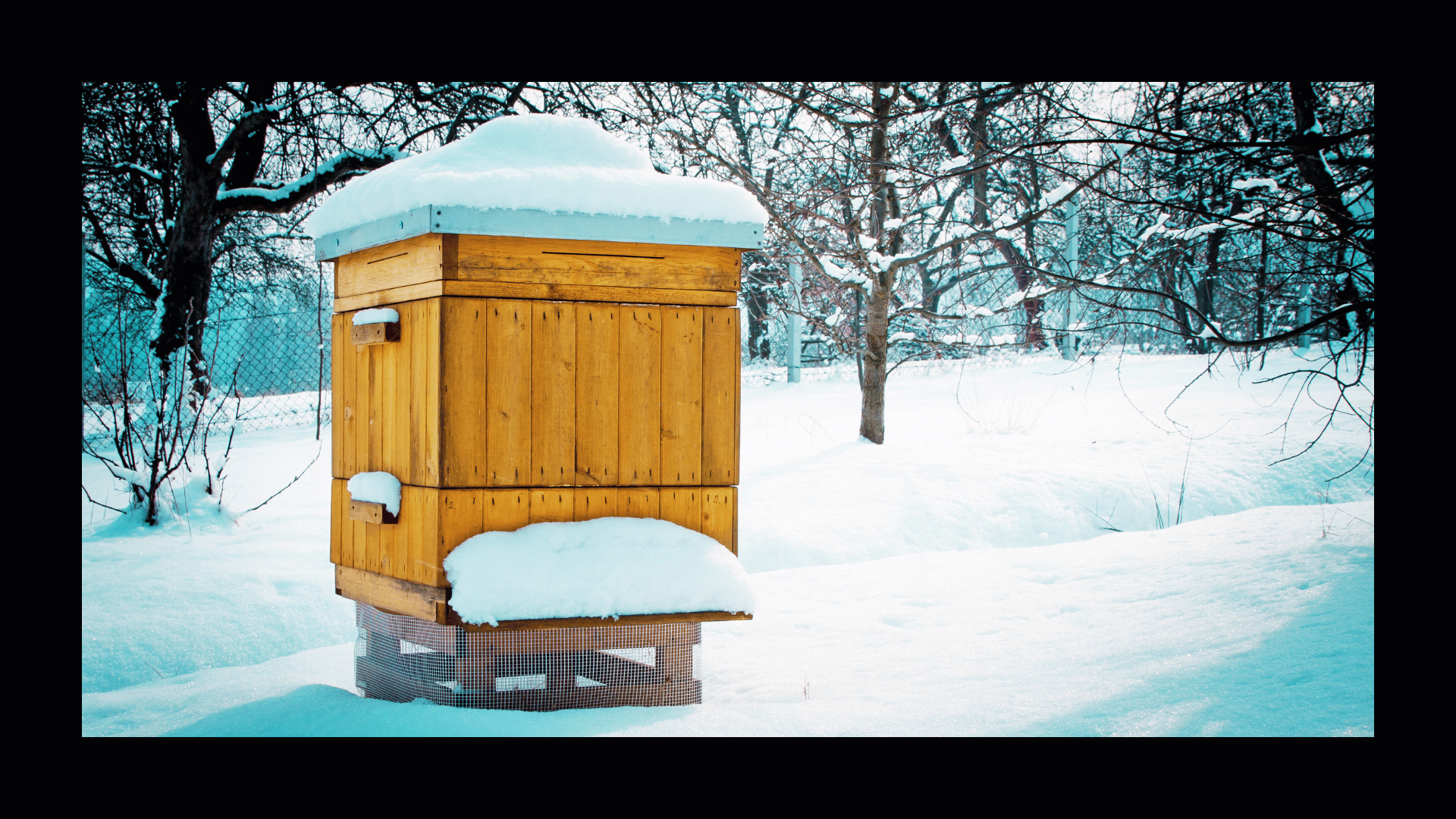
How to Winterize a Beehive?: 10 Essential Steps to Ensure a Thriving Colony!
As winter nears, knowing how to winterize a beehive is vital. With over 45% of US bee colonies lost between April 2020 and 2021, proper winterization is essential. Our 10-point checklist offers guidance on everything from assessing colony strength to safeguarding against pests. This guide equips you with the knowledge to protect your hive, ensuring bee survival and minimal disruption during colder months.

Understanding the Importance of Winterizing a Beehive
Winterizing a beehive is a crucial practice for beekeepers in cold climates. It involves taking necessary steps to ensure the survival of the bee colony during the harsh winter months. Failure to properly winterize a beehive can result in significant losses of bee colonies. According to statistics, an estimated 45% of managed colonies in the US were lost from April 2020 to April 2021. To prevent such losses and promote the survival of the bees, it is essential for beekeepers to understand the importance of winterizing their beehives.
Highlighting the Necessity for Winterizing
Winterizing a beehive is necessary because bees cannot survive the extreme cold temperatures without proper protection. Bees are cold-blooded creatures and rely on the warmth of the colony to survive. By implementing winterization techniques, beekeepers can create an environment that helps the bees maintain an optimal temperature for survival. Winterizing is not only beneficial for the bees but also for the beekeeper, as it increases the chances of colony survival and reduces the need for intervention during the winter months.
Exploring the Impact on Bee Colony Survival Rates
Proper winterization has a significant impact on the survival rates of bee colonies. By providing insulation, reducing unwanted hive space, and protecting against pests and diseases, beekeepers can help their colonies make it through the winter successfully. Bees that are winterized have a higher chance of survival compared to those that are not. During the winter months, bees cluster together inside the hive to generate and conserve heat. Proper winterization aids in maintaining the cluster temperature, which is crucial for the survival of the colony.
Discussing the Benefits of Winterizing for the Bees and the Beekeeper
Winterizing a beehive offers several benefits for both the bees and the beekeeper. For the bees, winterization ensures a warmer and more insulated environment, which promotes their survival and reduces stress on the colony. It also helps in conserving food stores, as the bees will consume less honey due to the improved temperature regulation. Additionally, proper winterization protects against pests, such as mice and Varroa mites, which can pose significant threats to the colony’s health.
For the beekeeper, winterizing a beehive reduces the need for frequent interventions and provides peace of mind during the winter months. It minimizes the risks of colony losses and the associated financial and emotional costs. By taking proactive steps to winterize the hive, beekeepers can set their colonies up for success, ensuring a healthy and productive beekeeping season in the future.
Undertaking a Pre-Winterization Hive Inspection
Before proceeding with winterizing a beehive, it is crucial to conduct a thorough inspection of the hive to assess its overall condition and readiness for winter. This inspection should focus on several key aspects.
Evaluating Colony Strength
The strength of the colony plays a vital role in its ability to survive the winter. A strong colony has a higher chance of making it through the cold months successfully. During the pre-winterization hive inspection, beekeepers should assess the population size and activity level of the bees. They should look for signs of a healthy brood, a well-laid queen, and sufficient bee numbers to form a strong cluster.
Checking for Presence of Varroa Mites
Varroa mites are one of the most significant threats to bee colonies. These parasitic mites can weaken the bees, spread diseases, and reduce the colony’s chances of survival during winter. Beekeepers should inspect the hive for signs of Varroa mite infestations, such as mite droppings, deformed wings, or abnormal bee behavior. If Varroa mites are present, appropriate measures should be taken to control their population before winter sets in.
Assessing Honey Supplies and Their Location
Sufficient honey supplies are essential for the survival of a bee colony during winter. Beekeepers should inspect the hive to determine the amount of honey available and its location within the hive. It is advisable to have the bulk of the honey stored above the cluster to ensure easy access for the bees during the cold months. Assessing honey supplies helps beekeepers estimate the amount of food needed and make any necessary adjustments before winter arrives.
Identifying Signs of Disease or Pests
Winter is a vulnerable time for bee colonies, and diseases or pests can exacerbate the risks. Beekeepers should carefully inspect the hive for any signs of diseases, such as foulbrood or chalkbrood, as well as pests like wax moths or small hive beetles. Early detection and prompt intervention can prevent the spread of diseases and protect the colony from infestations.
Estimating Honey Supplies for Winter
Ensuring an adequate supply of honey is crucial for the survival of a bee colony throughout the winter months. Several factors influence the amount of honey needed, and beekeepers should consider these factors when estimating honey supplies.
Factors Influencing the Amount of Honey Needed
The amount of honey required by a bee colony during winter depends on various factors, including the size of the colony, the region’s climate, and the availability of natural forage. Larger colonies with more bees will require more honey to sustain themselves. Cold climates with prolonged winters necessitate larger honey stores to ensure the colony’s survival. Additionally, areas with limited floral resources may require beekeepers to provide supplementary feeding or increase the honey supply.
The Role of Bee Population in Determining Honey Requirement
The size of the bee population in a hive directly impacts the amount of honey needed for winter survival. Larger colonies with a higher bee population consume more honey to generate heat and sustain the cluster. Beekeepers should assess the strength of the colony during the pre-winterization hive inspection and estimate the honey requirement accordingly.
Consideration of Weather and Climatic Conditions
Weather and climatic conditions play a crucial role in determining the amount of honey needed for winter. Cold temperatures and prolonged periods of confinement inside the hive can result in increased honey consumption. Beekeepers should consider the historical weather patterns in their region, as well as any forecasts or predictions for the upcoming winter, to ensure an adequate honey supply for their colonies.
Implementing Entrance Reducers and Removing Queen Excluders
Entrance reducers and queen excluders serve different purposes during different seasons. Understanding their function and knowing when to implement or remove them is vital for effective winterization.
Understanding the Function and Benefits of Entrance Reducers
Entrance reducers are small devices placed at the entrance of the hive to reduce its size. They serve two main functions during winterization. Firstly, entrance reducers prevent unwanted intruders, such as mice or other pests, from entering the hive. The reduced entrance size makes it easier for the bees to defend their colony against potential threats. Secondly, entrance reducers help in temperature regulation by minimizing cold drafts inside the hive. This reduces the energy expenditure of the bees, allowing them to conserve heat and preserve food supplies more efficiently.
Explaining Why the Queen Excluder Must Be Removed During Winter
Queen excluders are typically used during the honey production season to confine the queen to specific parts of the hive, preventing her from laying eggs in the honey supers. However, during winter, it is essential to remove the queen excluder to allow free movement of the bees throughout the hive. This unrestricted movement helps in clustering and heat generation, as well as allows the bees to access honey stores without any barriers. Removing the queen excluder ensures the bees can maintain an optimal cluster temperature and access the honey they need for survival.

Removing Wasted Space in the Hive
Efficient use of space inside the hive is essential for effective winterization. Beekeepers should identify and eliminate any unutilized or broken hive components and reorganize the hive to reduce unnecessary empty space.
Identifying and Eliminating Unutilized or Broken Hive Components
During the pre-winterization inspection, beekeepers should carefully examine the hive for any unutilized or broken hive components. This may include empty frames, unused supers, or damaged hive boxes. These unneeded or damaged components should be removed from the hive, as they contribute to wasted space and make heat conservation more challenging for the bees.
Reorganizing the Hive to Reduce Empty Space
After identifying and removing unutilized or broken hive components, beekeepers should reorganize the hive to minimize empty space. This can be done by consolidating frames and removing any excessive hive boxes. The goal is to create a compact and snug environment for the bees to inhabit during winter. The reorganization should be carefully planned to maintain proper spacing and allow for adequate airflow while eliminating unnecessary gaps that can cause heat loss.
Understanding How Space Management Contributes to Heat Conservation
Effective space management plays a crucial role in heat conservation within the hive. Bees rely on clustering to generate and conserve heat during winter. By reducing wasted space, beekeepers provide a smaller area for the bees to heat, making it easier for them to maintain an optimal cluster temperature. Proper space management ensures that the bees can efficiently utilize their body heat, helping them conserve energy and preserve their honey stores.
Hive Insulation Techniques
Insulating the hive is an important aspect of winterization. It helps in regulating temperature, preventing condensation, and providing an additional layer of protection for the bees. To prepare hives for colder months, insulation is key. Using winter hive wraps can regulate temperature, prevent harmful condensation, and protect bees.
Selecting Appropriate Insulation Materials
When choosing insulation materials for the hive, it is essential to consider their insulating properties and suitability for bees. Common insulation materials used in beekeeping include foam board, straw, or natural fibers. Beekeepers should ensure that the selected insulation materials are non-toxic, moisture-resistant, and can withstand the temperature fluctuations experienced during winter.
Explaining the Process of Insulating with Foam
Insulating the hive with foam is a popular and effective method for winterization. Beekeepers can cut foam boards to fit the size of their hive boxes and attach them to the inner walls. This creates an additional layer of insulation that helps in maintaining a stable internal temperature. Foam insulation also provides protection against condensation, which can be harmful to the bees. It is important to seal any gaps or openings to prevent drafts and maximize the insulation’s effectiveness.
Adding Insulation Under the Hive Roof
In addition to insulating the walls of the hive, beekeepers can also add insulation under the hive roof. This helps in minimizing heat loss through the top of the hive. Insulating materials, such as foam or insulation blankets, can be placed directly under the hive roof to provide an extra barrier against cold temperatures and condensation.
Understanding the Role of Insulation in Temperature Regulation and Preventing Condensation
Insulation plays a crucial role in temperature regulation within the hive. It acts as a barrier against external temperature fluctuations, helping the bees maintain a stable and optimal internal temperature for survival. Insulation also prevents condensation by reducing the temperature differential between the inside and outside of the hive. Condensation can be detrimental to the bees’ health, as it can lead to dampness and the growth of mold or fungus. Proper insulation helps in preventing condensation and promotes a healthy environment for the bees.

Creating a Windbreak for the Hive
Creating a windbreak around the hive is an effective way to protect and preserve the hive during winter. Strong winds can increase heat loss from the hive and make it more challenging for the bees to maintain the cluster temperature.
Discussing the Need for a Windbreak
While bees are capable of withstanding cold temperatures, strong winds can pose a significant threat to their survival. Wind removes the bees’ body heat more quickly, leading to increased energy consumption and potential cold stress. Creating a windbreak around the hive helps in reducing wind speed and creating a more sheltered environment, allowing the bees to conserve energy and protect their colony.
Exploring Different Windbreak Creation Methods
There are various methods for creating a windbreak around the hive. One popular option is using physical barriers, such as fences, hedges, or wooden boards, to block the wind. These barriers should be placed strategically to divert or deflect the wind away from the hive. Another method is utilizing natural windbreaks, such as existing trees or shrubs, to provide protection. Beekeepers should consider the prevailing wind direction and the specific conditions of their apiary when selecting the appropriate windbreak creation method.
Understanding How a Windbreak Can Protect and Preserve the Hive
A windbreak serves as a barrier against strong winds, protecting the hive from excessive heat loss. By reducing wind speed, the windbreak helps in maintaining a stable internal temperature within the hive. This is crucial for the bees’ survival, as it minimizes energy expenditure and prevents temperature fluctuations that can disrupt the cluster formation. A windbreak also creates a calmer environment around the hive, reducing the risk of bees being blown away or disoriented during windy conditions.
Mouse-Proofing the Beehive
Mice can be a major threat to beehives during winter. These rodents seek refuge in warm and sheltered places, including beehives. It is essential for beekeepers to take measures to keep mice out of their beehives.
Understanding the Threat Posed by Mice in Winter
Mice can cause significant damage to beehives and pose a threat to bee colonies. They can chew through hive components, contaminate honey supplies, and disrupt the bees’ activities. Mice are also known to nest inside beehives, leading to overcrowding and the potential spread of diseases. Keeping mice out of the beehive is crucial to protect the colony’s health and ensure its survival during winter.
Exploring Different Techniques for Mouse-Proofing
There are several effective techniques for mouse-proofing a beehive. One common method is using mouse guards at the hive entrance. Mouse guards are small metal or plastic screens that allow bees to enter and exit the hive while preventing mice from entering. Another technique is placing mousetraps near the hive or using bait stations to attract and capture mice. It is important to use mouse-proofing methods that do not harm the bees or contaminate the hive with toxic substances.
Preventive Measures to Deter Mice from Infiltrating the Hive
In addition to physical barriers and traps, beekeepers can take preventive measures to deter mice from infiltrating the hive. Keeping the apiary area clean and free of debris or food sources can discourage mice from seeking shelter nearby. Regularly inspecting the hive and repairing any gaps or openings can also prevent mice from gaining entry. Beekeepers should consider these preventive measures as part of their overall winterization strategy to protect the bees from mouse infestations.

Regular Varroa Mite Inspections
Regular inspections for Varroa mites are essential to ensure hive health and prevent the spread of diseases. Varroa mites are parasitic pests that can cause significant damage to bee colonies if left uncontrolled.
Explaining the Importance of Regular Varroa Mite Checks
Varroa mites are a common threat to bee colonies, and their population can rapidly increase if not managed effectively. Regular varroa mite checks help beekeepers monitor the mite infestation levels and take appropriate actions if intervention is necessary. Early detection and intervention can prevent the spread of diseases, such as deformed wing virus, and minimize the impact on the colony’s health and survival.
Techniques for Effective Varroa Mite Inspection
There are several techniques available for inspecting a hive for Varroa mite infestations. One commonly used method is the alcohol wash, where a sample of bees is collected and submerged in alcohol to dislodge and count the mites. Another method is the powdered sugar roll, where powdered sugar is applied to the bees to cause the mites to fall off and be counted. Beekeepers should select a technique that suits their preference and proficiency, ensuring accurate monitoring of Varroa mite populations.
Understanding the Potential Impact of Varroa Mites on Hive Health
Varroa mites can have a devastating impact on hive health if not managed effectively. These parasitic mites weaken the bees, transmit diseases, and can lead to colony collapse if left untreated. Varroa mite infestations can reduce the lifespan of worker bees, hinder brood development, and compromise the overall strength of the colony. Regular inspections for Varroa mites are vital to detect their presence early and take appropriate measures to control their population.
Common Mistakes and Best Practices in Winterizing Beehives
Winterizing bee hives involves several steps and considerations. Understanding common mistakes and best practices can help beekeepers ensure the success of their winterization efforts.
Timing of Winterization Procedures
Timing is crucial when it comes to winterizing bee hives. Winterization procedures should be carried out in the fall, well before the first cold snap arrives. It is important to provide the bees with enough time to adjust to the changes and prepare for winter. Starting the winterization process too late can leave the colony vulnerable and increase the risk of losses. Beekeepers should plan their winterization schedule accordingly, allowing sufficient time for inspections, adjustments, and implementation of winterization techniques.
Avoid Feeding Sugar Water to Bees in Winter
During winter, bees primarily rely on their honey stores for sustenance. It is generally recommended to avoid feeding sugar water to bees during this period. Feeding sugar water can disrupt the bees’ natural feeding patterns and potentially lead to a range of issues, including increased moisture levels within the hive. Bees need to conserve their energy and resources during winter, and relying on their own honey stores is essential for their survival and overall well-being.
The Emphasis on Fall Preparation Before the First Cold Snap
Fall preparation is a critical aspect of successful winterization. Beekeepers should prioritize preparing their hives before the first cold snap rather than waiting until winter is imminent. This allows sufficient time for necessary adjustments and ensures the bees have a well-prepared environment to withstand the challenges of winter. By giving attention to fall preparation, beekeepers can maximize the chances of colony survival and minimize the risks associated with improper winterization.
In conclusion, winterizing a beehive is an essential practice for beekeepers to ensure the survival of their colonies during the cold winter months. By undertaking a pre-winterization hive inspection, estimating honey supplies, implementing entrance reducers, removing wasted space, insulating the hive, creating a windbreak, mouse-proofing the hive, and regularly inspecting for Varroa mites, beekeepers can significantly increase the chances of their colonies thriving throughout winter. Winterizing provides a warmer and more protected environment for the bees, protects against pests and diseases, conserves food stores, and reduces stress on the colony. By following best practices and avoiding common mistakes, beekeepers can promote the well-being of their bees and ensure a successful beekeeping season.


