
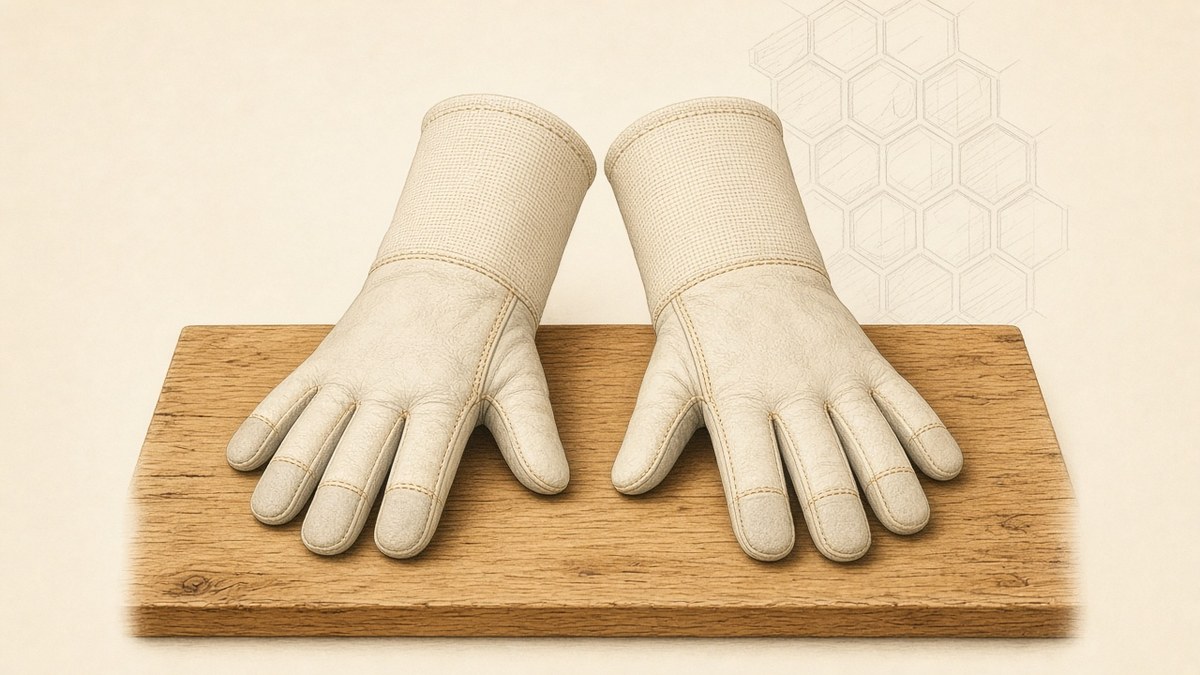
Opening a beehive for the first time is exciting, but having bees around your hands can make simple tasks feel intimidating. A good pair of gloves helps many beginners work more calmly while reducing—not eliminating—sting risk.
The best beekeeping gloves for beginners are not always the thickest pair. Leather type, sleeve length, ventilation, and fit usually matter more than brand hype. Goatskin often suits beekeepers who want more finger movement; cowhide is a thicker-feeling option; ventilated designs can help in warm weather.
This guide compares five US-sold options using manufacturer specifications and university extension guidance. It is research-based, not hands-on testing. Affiliate links on this site go to Amazon product pages so you can check current offers.
As an Amazon Associate I earn from qualifying purchases.
Quick picks
| Product | Leather | Sleeve type | Closure | Sizes | Best for |
|---|---|---|---|---|---|
| Humble Bee 112 | Goatskin | Medium-weight canvas, ventilated cuffs | Elastic | XXS–3XL | Balance of feel and airflow |
| Foxhound Sting Stopper Ventilated | Goatskin palm + mesh | Short ventilated | Elastic + Velcro | XS–3XL | Warm-weather inspections |
| Forest Beekeeping Ventilated | Goatskin | Long cotton ventilated sleeves | Elastic | XS–2XL | Traditional long coverage |
| Humble Bee 111 | Cowhide | Extended heavy-duty canvas | Elastic | XXS–3XL | Thicker leather + long sleeves |
| Mann Lake Vented Goatskin | Goatskin | Vented sleeve | Elastic top | See maker / listing | Simple maker-backed option |
Decision shortcut: Start with the Humble Bee 112 for goatskin with ventilated cuffs. Choose the Humble Bee 111 if thicker cowhide and extended sleeves matter more. For warm weather and a short adjustable cuff, compare the Foxhound Sting Stopper Ventilated model.
Beginner decision table (quick)
- Want flexible goatskin with ventilated cuffs: Humble Bee 112.
- Want thicker cowhide + long sleeves: Humble Bee 111.
- Working mostly in heat and prefer short adjustable cuffs: Foxhound Sting Stopper Ventilated (watch suit overlap; not aimed at cold work per maker).
- Want traditional long cotton ventilated sleeves: Forest Beekeeping long sleeve.
- Want a simple vented goatskin from a familiar US supplier catalog: Mann Lake Vented Goatskin (confirm details on the maker page).
Whatever you pick, gloves help many beginners stay calmer at the hive. They do not make you sting-proof, and they work best with a properly sealed suit and measured fit.
How we chose
Picks were screened for clear manufacturer pages and active Amazon listings with tag buzzyblogger-20. Useful comparison points: hand material, sleeve coverage, ventilation, closure, published sizing method, and care instructions.
Mississippi State University Extension (P3594) advises new beekeepers to wear gloves until more comfortable, notes typical leather/goatskin gloves with canvas sleeves to the elbow, and flags sweat and reduced dexterity as tradeoffs. Texas A&M AgriLife Extension (ENTO-097) describes light-colored leather or goatskin gloves with long arms pulled over the elbow and over the bee suit, the knuckle-sting vs dexterity fit tradeoff, and replacing gloves about every 1–2 years as they absorb propolis, wax, and honey.
The best beekeeping gloves for beginners
1. Humble Bee 112 Goatskin – Best for ventilated-cuff goatskin balance
Who it’s for: Beginners who want goatskin hand feel with ventilated cuffs and medium-weight canvas sleeves.
Key specs (maker / listing): goatskin hands; ventilated wrists/cuffs; medium-weight canvas sleeves; elastic cuffs; unisex sizes XXS–3XL; hand-length sizing chart. Follow the maker or listing care instructions for washing.
Pros: flexible goatskin feel; ventilation at the cuff; medium-weight canvas sleeves; wide published size range.
Cons: sizing can vary by hand shape—use the maker chart; leather is sting-resistant, not sting-proof.
Bottom line: A practical first goatskin pick when you want modest cuff ventilation with medium-weight canvas sleeves. Choose your size on Amazon.
Check current price on Amazon (affiliate link)
2. Foxhound Sting Stopper Ventilated – Best for warm weather and short cuffs
Who it’s for: Keepers who prioritize airflow and a short cuff that can sit under or over a jacket sleeve, secured with Velcro.
Key specs (maker): goatskin palm with ventilated mesh back; quadruple-layer vented hand and triple-layer sleeve; short sleeve about 14 inches from fingertip to Velcro; elastic plus wide Velcro; sizes XS–3XL by palm circumference; machine wash then re-oil; air dry (no dryer). Maker notes these are vented for coolness, not built for cold-weather work. “Sting Stopper” is the product name—not a guarantee of zero stings.
Pros: designed for airflow; adjustable Velcro; shorter cuff can be less bulky; wash-and-re-oil care path is documented by the maker.
Cons: short sleeves need careful suit overlap; mesh and leather still allow sting risk; measure palm carefully—finger length varies by size.
Bottom line: Strong warm-weather comparison pick when ventilation and easy on/off matter more than maximum gauntlet length.
Check current price on Amazon (affiliate link)
3. Forest Beekeeping Supply Goatskin Ventilated Long Sleeve – Best for traditional long coverage
Who it’s for: Beginners who want elbow-oriented ventilated gloves with long cotton sleeves.
Key specs (maker / listing): goatskin hand; ventilated gloves with long cotton sleeves; elastic cuff; sizes XS–2XL. Follow the maker or listing care instructions for washing.
Pros: long cotton sleeves aid suit overlap; goatskin for finger movement; ventilated design for airflow; simple elastic closure.
Cons: long canvas can feel warmer or bulkier than short cuffs; sizing can feel generous for some hands—check the chart; still not sting-proof.
Bottom line: A straightforward long-gauntlet goatskin option when coverage is the priority. Choose your size on Amazon.
Check current price on Amazon (affiliate link)
4. Humble Bee 111 Cowhide Extended Sleeves – Best for thicker leather and long coverage
Who it’s for: Beginners who prefer cowhide hands and extended heavy-duty canvas sleeves, and will trade some fingertip feel for a more substantial glove.
Key specs (maker / listing): cowhide hands; heavy-duty canvas extended sleeves; elastic cuffs; sizes XXS–3XL; hand-length sizing. Follow the maker or listing care instructions for washing.
Pros: thicker-feeling leather alternative to goatskin; long sleeves for arm coverage; traditional gauntlet layout; wide published size range.
Cons: can feel bulkier for delicate frame work; use the maker chart rather than guessing size; still sting-resistant, not sting-proof.
Bottom line: Choose 111 when cowhide thickness and extended sleeves matter more than maximum sensitivity.
Check current price on Amazon (affiliate link)
5. Mann Lake Vented Goatskin – Best for a familiar US supplier option
Who it’s for: Readers who already use Mann Lake gear or want a simple vented goatskin glove with clear maker product info (SKU Z492).
Key specs (maker): vented goatskin; elastic top; vented sleeve. Check current sizes on the maker page or listing. The representative Amazon listing is thin—lean on Mann Lake’s product page for features. Leather thickness is not published there, so it is not claimed here.
Pros: uncomplicated vented design; elastic top; easy to compare beside other Mann Lake kit.
Cons: fewer detailed specs than some brand pages; less cuff adjustability than Velcro designs.
Bottom line: Worth comparing if you prefer maker-backed Mann Lake protective gear and a basic vented gauntlet.
Check current price on Amazon (affiliate link)
Buying guide
Goatskin vs cowhide
Goatskin is commonly chosen for a softer, more flexible feel when gripping frames and tools. Cowhide is often associated with a thicker, more substantial feel. Actual thickness varies by product, and neither material automatically guarantees fewer stings. Fit, seams, and how tightly leather presses on knuckles also matter. For many beginners, goatskin is a reasonable first material; cowhide is a fair alternative when longer sleeves and a thicker-feeling hand are higher priorities.
Ventilated / mesh vs solid canvas
Ventilated gloves use mesh or vented sections for airflow—helpful in warm inspections when solid leather and canvas feel stuffy. Foxhound documents a ventilated mesh back of the hand; Humble Bee 112 lists ventilated cuffs; Mann Lake lists a vented sleeve; Forest lists ventilated gloves with long cotton sleeves. Extra airflow does not make a glove sting-proof. Texas A&M notes glove arms may use thick canvas, vented canvas, or thinner fabric—compare the whole design, including suit overlap.
Gauntlet length, elastic, and Velcro
Texas A&M recommends wearing gloves over the bee suit and pulling sleeves as far up the arm as possible, ideally over the elbow. Long gauntlets make that overlap easier. Short cuffs (such as Foxhound’s) can feel less cumbersome but need careful checking when reaching and bending. Elastic is simple; Velcro adds adjustability. Neither replaces checking for gaps. ENTO-097 also notes that many suit and glove materials are flammable and can melt or smolder if a smoker is too close—keep hot smokers clear of fabric and mesh.
Fit checklist (measure before you buy)
- Use the maker chart for that model. Humble Bee: hand length. Foxhound: palm circumference (exclude thumb).
- Measure once, then match published size bands—don’t assume your usual work-glove size.
- Check finger movement: you should grip a frame without extreme bunching or painful tightness.
- Check cuff overlap with your suit sleeves when arms are extended.
- Remember the fit tradeoff: Texas A&M notes tighter gloves may allow knuckle stings; larger gloves reduce dexterity.
When the palm fits but the fingers do not
A glove can feel right around your palm yet leave too much material at the fingertips. Or the fingers may feel cramped even though the palm seems roomy. Neither problem automatically means you should move up or down a size.
The first step is understanding what the measurements actually describe:
- Hand width is the straight-line distance across your palm.
- Hand length runs from your wrist to the tip of your middle finger.
- Palm circumference measures all the way around your palm, excluding your thumb.
These describe your hand, not the finished glove. A manufacturer’s size label doesn’t guarantee identical finger lengths or palm dimensions across brands.
For example, the Humble Bee 112 goatskin glove sizing chart shows both hand width and hand length, while the product instructions emphasize length. If those measurements suggest different sizes, the chart gives no rule for resolving the mismatch.
The Foxhound ventilated Sting Stopper instead instructs you to measure around your widest palm, excluding your thumb. Although its sizing information calls this “diameter,” follow the around-palm instruction, not a straight-line width measurement.
When the fit seems contradictory:
- Identify the problem. Excess fingertip material can catch or bunch during handling. Cramped fingers can make comfortable movement difficult.
- Check the exact model. Compare your measurements against that glove’s instructions, rather than relying on the letter size of another brand.
- Ask before guessing. If palm and finger fit conflict, ask the manufacturer whether finished finger dimensions or additional fit guidance are available.
Neither inspected chart provides finished finger lengths, so neither establishes an acceptable fingertip gap.
Before committing, check comfortable hand movement away from bees. Check sleeve overlap with your suit, and do not choose painfully tight gloves simply to eliminate excess fingertip material.
Cleaning and care
Follow the care instructions on the maker page or listing for your exact pair—do not assume one wash method fits every leather glove. Foxhound documents machine washing for its ventilated model, then re-oiling and air drying, and warns not to use a dryer because heat can crack leather. Inspect seams, elastic, and closures regularly. Texas A&M suggests replacing gloves about every 1–2 years as they absorb hive materials and wear out (disease-management practice between colonies).
Thinner gloves later (optional path)
Mississippi State Extension describes a gradual path some keepers take: heavy bee gloves → thicker rubber gloves → thinner latex/nitrile → sometimes bare hands. That is an experience path, not medical advice, and thinner gloves are not equivalent protection. Beginners usually start with conventional beekeeping gloves. Keep a protective pair available even if you later work with less coverage.
For the broader inspection setup, use the beginner beekeeping equipment checklist. Pair gloves with a shielded beginner smoker when you compare tools for calmer hive checks.
Gloves or bare hands?
Some experienced keepers prefer bare hands for sensitivity. That is not the usual starting point for first inspections. Extension guidance supports wearing gloves while you learn calm handling and frame work. Gloves can get sweaty and make delicate tasks awkward—that tradeoff is normal. There is no rush to go bare-handed.
If you have had a prior serious reaction to bee stings, seek professional medical advice before working a hive.
FAQ
Can bees sting through beekeeping gloves?
Yes. Gloves are meant to reduce sting risk, not remove it. Stings can still occur through leather, mesh, seams, or tight spots over knuckles. Treat gloves as protective gear that lowers exposure—not a promise you will never be stung.
Goatskin or cowhide — which is better for beginners?
Goatskin if you want more flexibility; cowhide if you want a thicker-feeling hand and (in this shortlist) longer heavy canvas sleeves via the Humble Bee 111. Construction and fit matter as much as leather type. Compare the 112 and 111 side by side for that tradeoff.
How should beekeeping gloves fit?
Secure without crushing knuckles or blocking finger movement. Use the manufacturer chart (hand length or palm circumference). Confirm sleeve overlap with your suit. Avoid buying “one size up for comfort” without checking the maker’s own guidance.
How do I clean beekeeping gloves?
Match the maker or listing care instructions for your exact gloves. Foxhound’s ventilated model documents machine wash plus re-oil and air dry (no dryer). Do not assume every leather glove tolerates the same wash cycle. Replace when seams, elastic, or leather are worn.
Do I need long sleeves or will short ventilated cuffs work?
Long gauntlets make elbow overlap easier. Short ventilated cuffs can feel better in heat but need careful suit sealing. If you are unsure, longer coverage is the more forgiving beginner default.
Final thoughts
The best beekeeping gloves for beginners are the ones that fit, cover the wrists properly, and let you handle frames with reasonable confidence. A balanced goatskin start is the Humble Bee 112; thicker long-sleeve cowhide is the Humble Bee 111; warm-weather short-cuff airflow is the Foxhound Sting Stopper Ventilated. Forest’s long vented goatskin and Mann Lake’s vented goatskin round out the shortlist for coverage-first and maker-familiar shoppers.
Measure before you buy, check sleeve overlap, and remember gloves reduce sting risk rather than eliminating it. Use each product’s Amazon button above to check the current offer for your size.
As an Amazon Associate I earn from qualifying purchases.